

In the world of modern manufacturing and metalworking, efficiency, precision, and cost-effectiveness
are paramount. At the heart of many machining processes lies a small but powerful component: the carbide insert.
These indexable cutting inserts are the workhorses of CNC lathes, milling machines, and other equipment,
responsible for shaping everything from automotive parts to aerospace components.
Understanding carbide inserts is key to unlocking higher productivity and superior finish quality.
What Are Carbide Inserts?
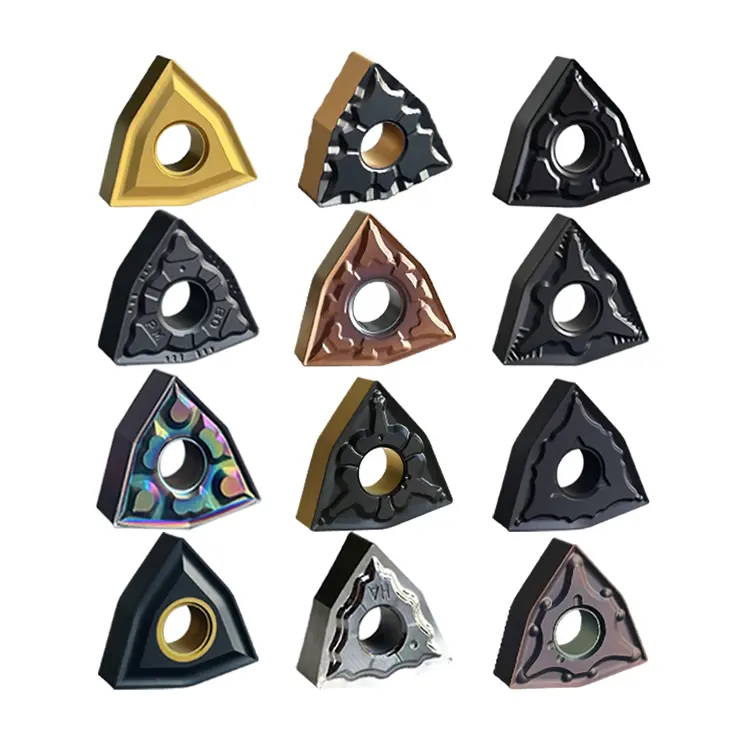
Carbide inserts, more precisely known as tungsten carbide inserts, are replaceable cutting tips
used in machining operations. They are not made from a single piece of material but are composed
of a hard, wear-resistant material—typically tungsten carbide—held together by a cobalt binder.
This combination is then pressed and sintered at high temperatures to form a incredibly durable cutting tool.
The defining feature of these CNC inserts is that they are indexable. This means when one cutting
edge becomes dull, you can simply rotate the insert to a fresh, sharp edge without removing the
entire toolholder from the machine. This design drastically reduces downtime and boosts overall machining efficiency.
Why Carbide Inserts Dominate Modern Machining
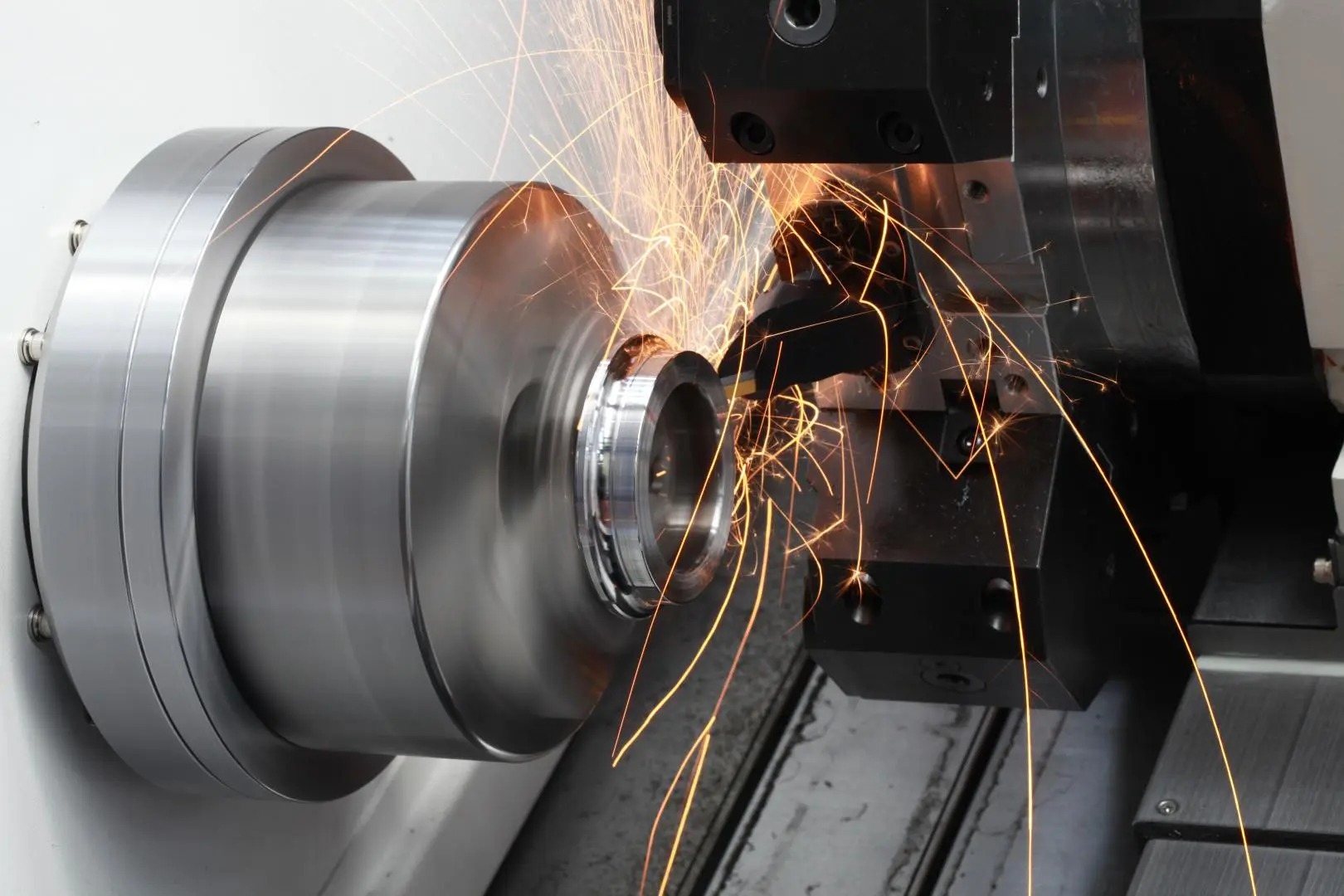
The shift from traditional high-speed steel tools to carbide inserts has revolutionized manufacturing.
The advantages are clear and compelling:
· Exceptional Hardness and Wear Resistance: Tungsten carbide can withstand much higher temperatures
and abrasion than steel. This allows for significantly higher cutting speeds and feed rates, reducing cycle times.
· Increased Productivity: The ability to run machines faster and the quick indexing feature of
indexable inserts lead to a substantial increase in parts produced per hour.
· Superior Surface Finish: The rigidity and precision of a sharp carbide insert allow for cleaner cuts
and better surface finishes, often reducing or eliminating the need for secondary finishing operations.
· Versatility: With a vast array of grades, geometries, and coatings available, there is a carbide insert
optimized for machining almost any material, from soft aluminum to tough superalloys.
· Cost-Effectiveness: While the initial cost per insert is higher than a steel tool, the longer tool life
and reduced machine downtime result in a lower cost per part—the most important metric in production.
Navigating the Selection of Carbide Inserts
Choosing the right carbide insert is critical for success. The selection is based on a three-pillar system:
Grade, Geometry, and Coating.
Carbide Grades refer to the specific composition and properties of the insert. Grades are tailored for
different applications. For instance, a "C" grade might be for cast iron, while a "P" grade is for steel.
The choice depends on the material being cut and the machining operation (finishing, roughing, etc.).
Insert Geometry defines the shape of the insert and the characteristics of its cutting edge. This includes
the shape (diamond, square, round, etc.), relief angles, and chipbreaker design. The geometry directly
influences chip control, cutting forces, and surface finish.
Coatings are a thin, super-hard layer applied to the tungsten carbide insert to enhance its performance.
Common coatings include Titanium Nitride (TiN), Titanium Carbonitride (TiCN), and Aluminum Oxide (Al2O3).
The choice between PVD (Physical Vapor Deposition) and CVD (Chemical Vapor Deposition) coatings
affects the insert's toughness, wear resistance, and suitability for different materials.
Common Applications and Configurations
Carbide inserts are ubiquitous in subtractive manufacturing. They are used in:
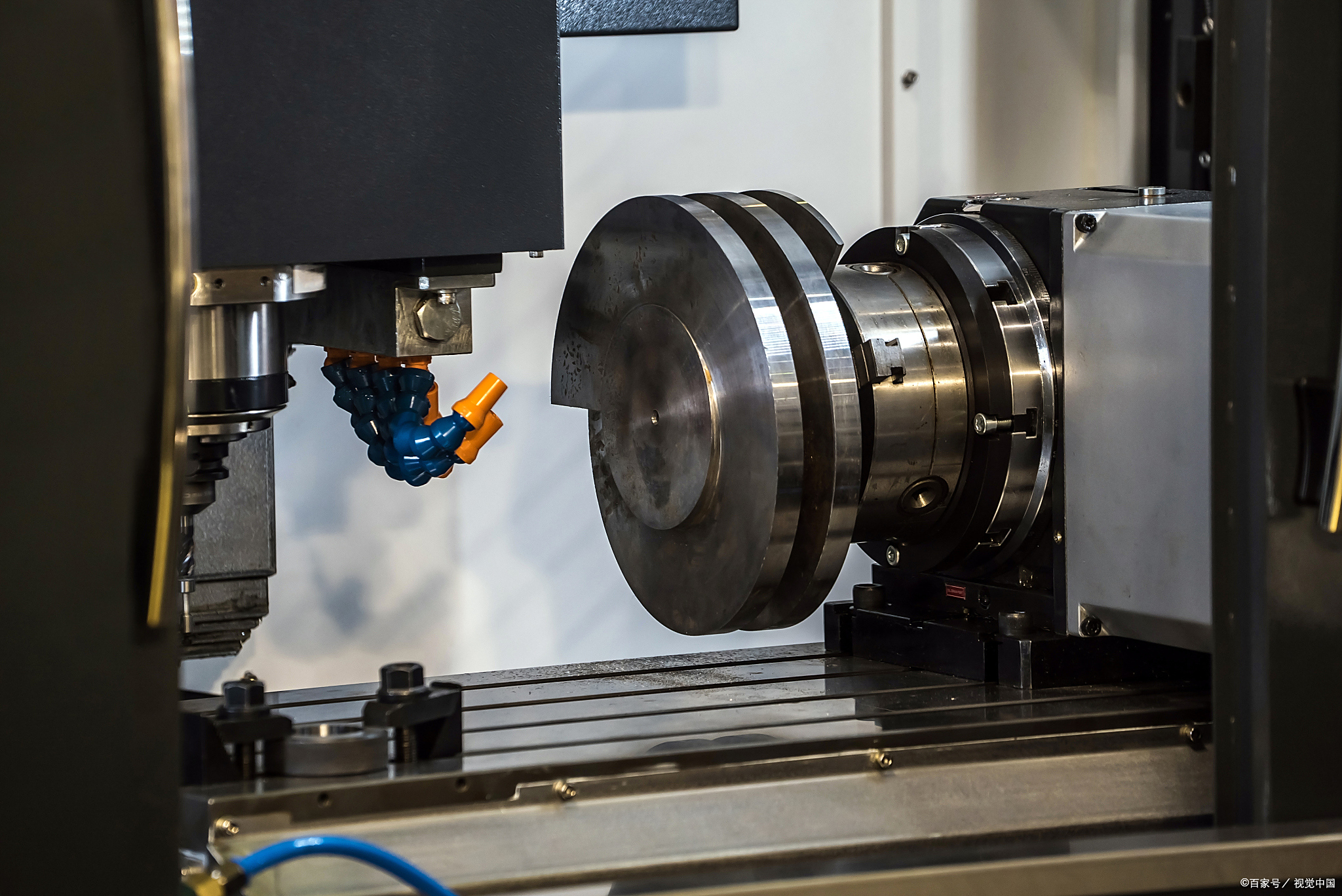
· Turning Operations: On lathes, where the workpiece rotates and the stationary tool cuts it.
· Milling Operations: On milling machines, where a rotating tool with multiple milling inserts cuts the stationary workpiece.
· Drilling and Boring: For creating and enlarging precise holes.
Whether you need a carbide insert for steel that can handle high temperatures or a sharp, polished
carbide insert for aluminum that prevents material buildup, there is a specialized product designed for the task.

Conclusion
Carbide inserts are more than just disposable tips; they are a fundamental technology driving modern
manufacturing forward. By offering unmatched speed, durability, and versatility, they enable manufacturers
to produce higher quality parts at a lower cost. Investing time in understanding their selection and
application is an investment in the efficiency and competitiveness of any machining operation.
