

What Are Carbide Ski Runners?
The Compelling Advantages of Carbide Runners
The decision to install or maintain high-quality carbide ski runners yields immediate and tangible returns on the snow. The most significant improvement is in handling. On icy or set-up trails, standard skis can slide unpredictably, causing a vague or wandering steering feel. Carbide runners eliminate this by digging their hard edges into the surface, offering razor-sharp, confidence-inspiring control that makes cornering precise and predictable. This directly correlates to increased safety, allowing riders to navigate variable conditions with greater assurance.
Beyond control, the exceptional hardness of tungsten carbide provides unmatched durability. It resists wear far more effectively than steel alone, acting as a sacrificial component that preserves the structural integrity and expensive plastic of the ski itself. This leads to profound long-term cost savings. While the upfront cost of premium runners is higher, their extended service life and the protection they offer make them a more economical choice over time, preventing costly full-ski replacements.
Selecting the Right Runners for Your Ride
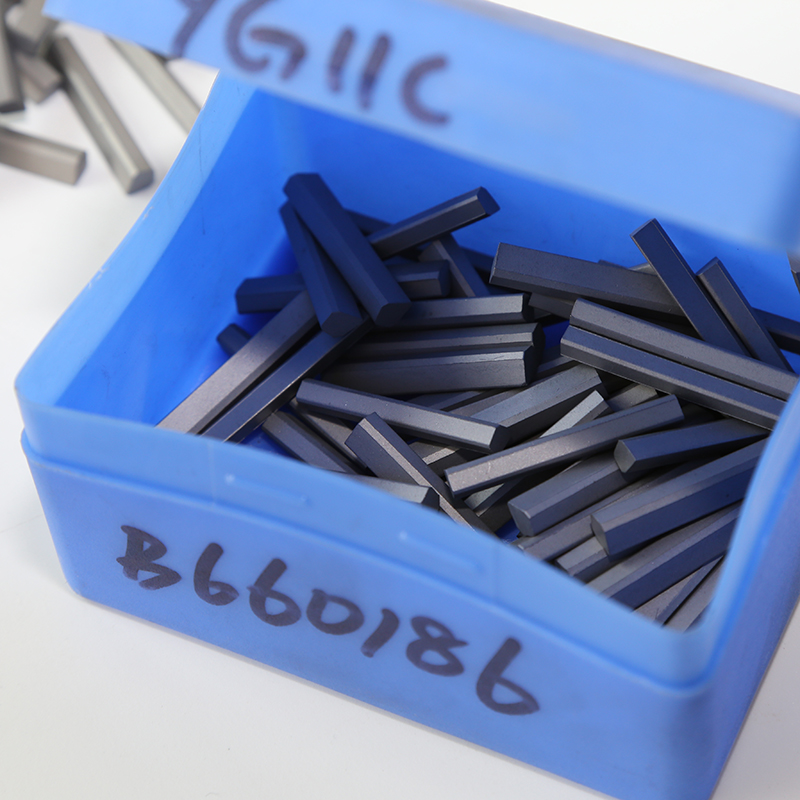
Choosing the optimal snowmobile carbide runner requires consideration of your primary riding style and terrain. The first variable is runner height, typically measured in millimeters. Taller runners (e.g., 8mm, 10mm) contain more carbide material, offering greater longevity and more aggressive bite for trail riders and those frequently encountering icy conditions. Shorter runners (4mm, 6mm) may suffice for moderate use or deeper, softer snow.
The configuration of the carbide is equally important. Runners come with single, dual, or triple carbide inserts. A single center carbide is common and effective for most trail riding. Dual and triple configurations provide increased bite and edge contact, favored by performance-focused riders and racers, though they may introduce slightly more steering effort. Ultimately, ensuring compatibility with your specific snowmobile make, model, and ski design is paramount.
Installation Insights and Maintenance for Lasting Performance
Proper installation is straightforward but crucial. After securely lifting the sled’s front end, the old runners are unbolted. It is essential to thoroughly clean the ski’s runner channel of all debris, rust, and old thread-locker before seating the new carbide wear bars. They should be secured with the provided hardware, torqued to the manufacturer’s specification, and checked for any lateral movement.
Maintenance is refreshingly simple. A periodic visual check before rides to ensure bolts remain tight is the primary task. Over time, the carbide edges will naturally wear down. Their condition is a key indicator; once the carbide is significantly rounded or worn flat, the runner has lost its effectiveness and should be replaced. For riders looking to extend the service interval, specialized runner sharpeners are available to restore a sharp edge.
Conclusion: A Non-Negotiable Component for the Discerning Rider
Snowmobile carbide ski runners are far more than a simple accessory—they are a fundamental upgrade for any rider prioritizing control, safety, and value. This intelligent investment pays continuous dividends, transforming the handling characteristics of your sled and safeguarding its core components. Whether you are a weekend explorer or a dedicated trail rider, equipping your machine with the right carbide runners is a definitive step toward a more responsive, reliable, and enjoyable riding experience.
